

Start Small, Change For Good: 7‑Day Micro‑Experiments That Stick

Today we’re exploring designing 7‑day micro‑experiments for habit formation: tiny tests that reduce risk, reveal personal triggers, and unlock momentum. Across a single week, you’ll clarify intentions, test cues, track signals, and learn fast without burning out. Expect practical steps, candid stories, and evidence‑based tactics, plus gentle nudges to try your own experiment. Share your results, subscribe for weekly prompts, and let this space become your supportive lab where curiosity beats perfectionism and progress becomes wonderfully repeatable.

Build Your One‑Week Blueprint

A strong seven‑day plan starts with choosing a behavior so small that it feels almost effortless, then placing it inside clear boundaries that protect your energy and attention. You will set a specific context, define a measurable outcome, and embrace constraints as creative allies. Think of it like a pocket‑sized pilot: minimal risk, fast learning, and reliable feedback. By Sunday, you will know what helps the habit emerge, where it stalls, and how to improve the next iteration with confidence.

Choose a Tiny Behavior That Matters

Select the smallest meaningful action that nudges you toward the identity you want. One sentence of journaling, one push‑up, one mindful breath after opening your laptop. Small reduces friction and increases consistency. In early trials, Maya picked drinking one glass of water before coffee; by day four, she stopped negotiating because the action felt laughably easy, unlocking surprising pride that carried into other choices.

Define Clear Bounds and Cues

Decide precisely when and where the action happens, and what will trigger it. Tie the behavior to an existing routine, like brushing teeth or starting the kettle. Name duration, location, and materials, removing ambiguity. If your environment argues with the habit, adjust the environment. A sticky note on the mug, a phone wallpaper reminder, or shoes placed by the door can turn the world into a friendly collaborator.

Behavioral Science, Simplified

Understanding habit mechanics helps a micro‑experiment feel like a playful lab rather than a willpower battle. Cues invite action, tiny wins spark dopamine, and consistent repetition trains your brain to anticipate reward. Identity‑based framing amplifies persistence, because you are voting for who you are becoming, not just chasing outcomes. We translate research into plain language, filter out jargon, and offer practical examples that you can test this week, noticing immediate shifts in motivation and attention.

01

Cue–Routine–Reward, Made Concrete

Every reliable habit has a recognizable cue that sparks a routine which ends in some form of reward. Make each piece tangible. The cue might be closing a meeting tab; the routine is one calming breath; the reward is tension dissolving from your shoulders. When you script the loop so clearly that it feels obvious, your brain spends less energy deciding and more energy completing, which makes consistency pleasantly automatic.

02

Dopamine, Expectation, and Tiny Wins

Dopamine responds less to size of reward than to prediction and progress. Small actions you actually finish deliver a satisfying signal that training is working. That is why a seven‑day sequence of easy wins often beats one heroic effort. Build mini celebrations: a fist pump, a sticker, a quick note to a friend. You are teaching your nervous system to expect success, which makes tomorrow’s start line shorter and friendlier.

03

Identity First, Outcome Second

When you say, “I’m the kind of person who takes care of future me,” a one‑minute tidy becomes congruent with your identity. Outcomes still matter, but identity lights the path. In micro‑experiments, write a short statement you can repeat after completing the action. That reframing reduces internal conflict, because you are not negotiating tasks; you are practicing who you are. Over days, identity statements compound into stable self‑trust.

Design the Seven‑Day Arc
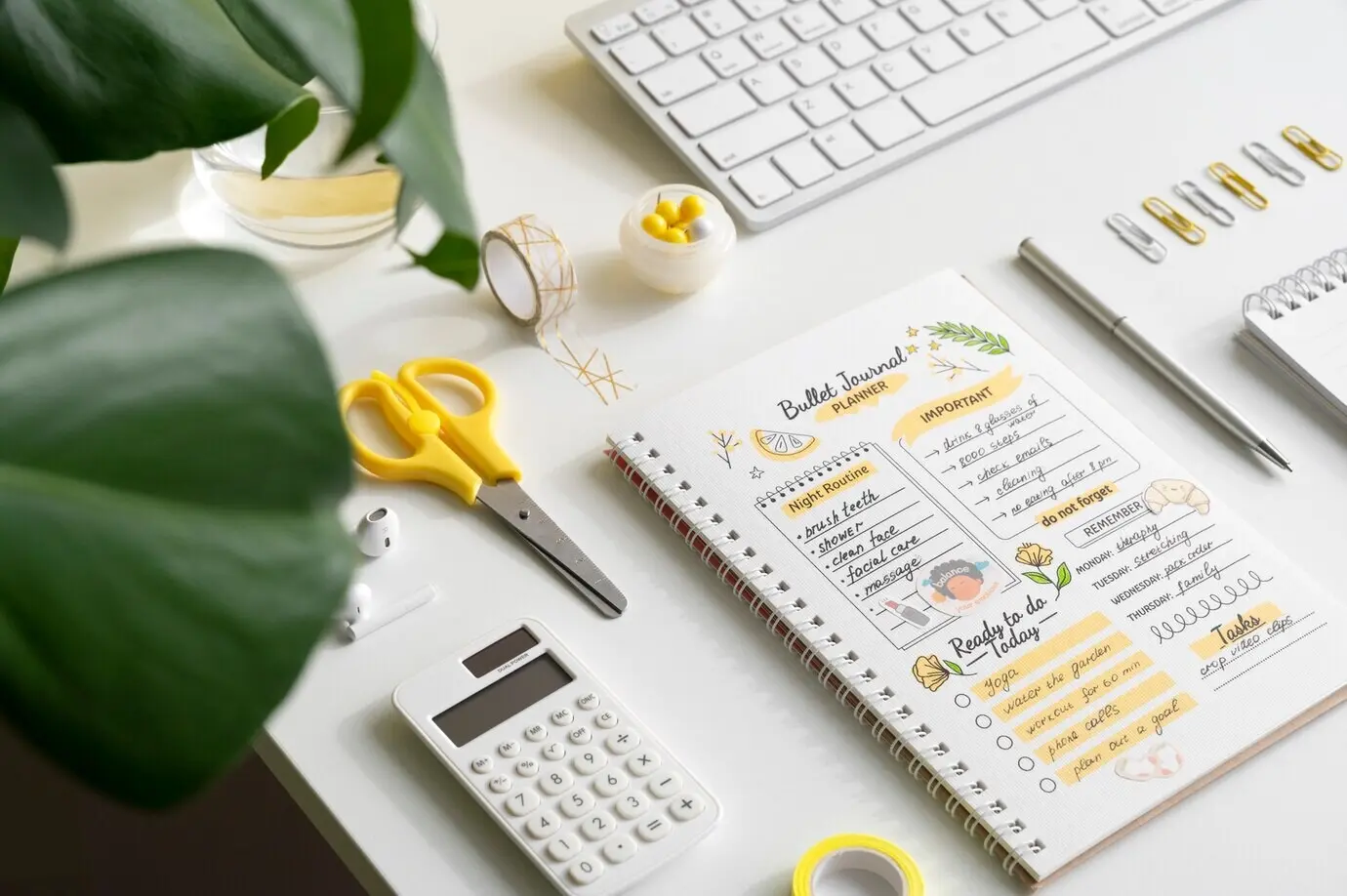
Shape the week like a gentle progression: easier early days to build trust, modest friction midweek to reveal bottlenecks, and thoughtful reflection before celebrating completion. Each day teaches you something new about context, energy, and emotion. You will schedule a swift start, pre‑decide adaptations, and plan one tiny stress test. On the final day, you will gather insights to improve the next experiment, transforming a simple checklist into a durable personal playbook.

Tools, Tracking, and Templates

Simple tools make micro‑experiments visible and repeatable without adding heaviness. You will use a one‑line log, flexible if‑then cards, and short debrief prompts to capture learning in minutes. Templates reduce decision fatigue and teach your future self exactly how to start next time. All tools are deliberately lightweight, printable, or phone‑friendly, and designed to be satisfying to complete. Choose the fewest that deliver clarity, and let the rest wait for later iterations.

One‑Line Daily Log

Log the cue, completion yes/no, and one feeling. That tiny record shows patterns fast: maybe mornings succeed after a walk, or evenings crumble without a glass of water. Keep it frictionless, like a notes widget or paper index card. Review on day seven to extract two insights and one obvious tweak. The log’s real job is teaching your pattern‑recognizing brain to spot supportive conditions on autopilot.

If‑Then Planning Cards

Write three contingency statements before you begin: if I miss the morning, then I will do it before lunch; if I travel, then I will do a reduced version; if I forget, then I will restart immediately. Pre‑decisions remove drama by converting surprises into scripts. Keep the card visible, rehearse once, and enjoy how quickly hesitation fades when next actions are already chosen and emotionally acceptable.

Tiny Debrief Prompts

End each day with three quick prompts: what made it easier, what created friction, and what adjustment feels smallest yet helpful. Keep answers brutally short to avoid procrastination. Over seven days, these notes become a living instruction manual for your brain. The debrief also builds self‑compassion, because you treat problems as design puzzles, not character flaws, which protects motivation and makes tomorrow’s attempt feel welcoming rather than heavy.

Handle Obstacles With Grace

Set expectations that obstacles will arrive, then design kind responses in advance. Bad sleep, crowded schedules, travel, and shifting moods happen. The win is not avoiding trouble; the win is resuming quickly with minimal drama. Use pre‑forgiveness, supportive peers, and tiny fallback versions to keep the chain alive. When perfectionism chirps, shrink the step until resistance laughs. Your seven‑day practice becomes a kindness engine, turning setbacks into reliable recovery cues.

From Pilot to Practice

Keep What Works, Drop What Doesn’t

Scan your notes for repeat successes and consistent friction. Preserve the winners, and ruthlessly remove any element that creates confusion or delay. This pruning increases the habit’s signal‑to‑noise ratio. You are not quitting; you are refining. The next seven days become lighter, because only helpful pieces remain. Over several cycles, the behavior feels inevitable, almost obvious, and your confidence quietly grows alongside the results you used to chase anxiously.

Scale With Care, Not Ego

Add only one notch of difficulty at a time, guided by reliability. A minute becomes ninety seconds, not thirty minutes. Keep the cue stable while exploring slight reward upgrades. Stop if quality drops or dread rises. Scaling should feel like a comfortable stretch, not a gamble. Your calendar and nervous system will thank you, and you will keep showing up long after novelty fades, which is where real compounding begins.

Share, Celebrate, and Invite Others

Tell a friend what you learned and how you plan to iterate. A quick message, a photo of your tracker, or a brief post transforms private progress into social momentum. Celebration cements memory and makes repetition desirable. Invitation deepens commitment: when others expect your gentle update next week, you are more likely to continue. Collective encouragement turns a small personal experiment into a quietly powerful cultural ripple.

Nunirakozakutaxikakala
Privacy Overview

This website uses cookies so that we can provide you with the best user experience possible. Cookie information is stored in your browser and performs functions such as recognising you when you return to our website and helping our team to understand which sections of the website you find most interesting and useful.